
We always talk about the sustainability, can fashion really be sustainable? What do the major brands do to reach a completely sustainable fashion?
Talking about the luxury brands, the major society’s groups Kering and LVMH have already established their goals for a future sustainable fashion. In addition, some fast fashion brands have created a plan in order to reduce their impact on the world’s pollution.
All the most important fashion brands have subscribe a new deal, the ONU Fashion Industry Charter for Climate Action 2018, which consist in 5 steps.
1. Zero Emission
The major brands agreed to reduce the emission of CO2 by 30% within 2030 with the target to have zero emission in 2050. Kering has also established the goal to reduce the emission of 50% by 2025.
2. Improve the supply chain
In fashion, as well as for food, it is important to have a completely transparent supply chain. Nowadays, just a few brands give to the costumers a complete traceability of their products, informing them about everything such as the origin of fibers and textiles and the process of the products. LVMH will granted to the consumers higher standards of control about the supply chain within 2025. To make it happen for all fashion brands, it is essential to introduce global laws and guidelines for the producers.
3. Innovative materials
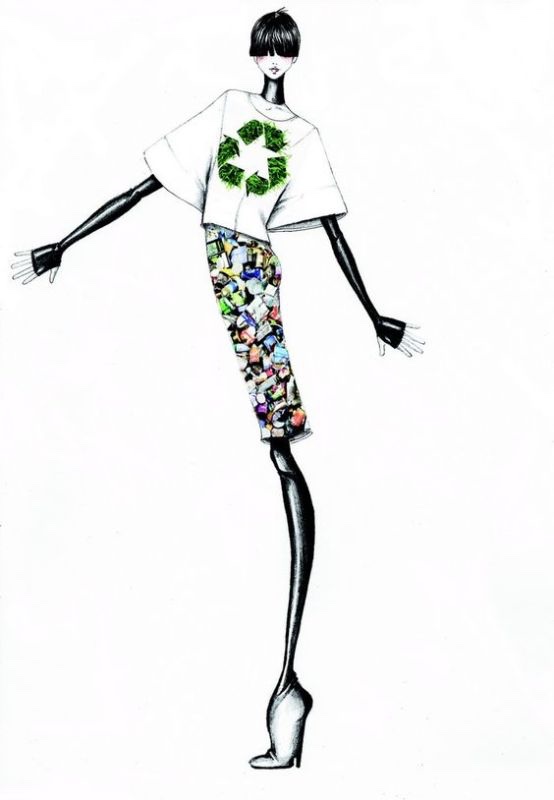
The research of new and sustainable materials is fundamental. There are a lot of new materials recently created but not many of them are used in fast fashion, for “normal” garment. They are mostly used for particular capsule collection or sustainable lines, but they are slowly conquering the market.
4. Create new business
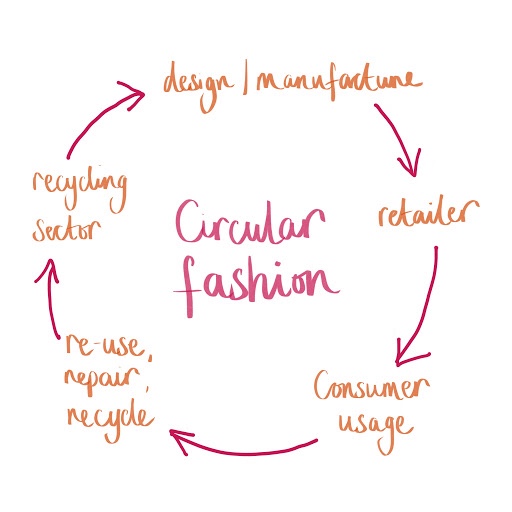
The circular fashion economy, where every product is recycled or biodegradable, is the leading business model. Stella McCartney in a collaboration with Adidas have created a hoodie that is completely recyclable because it is produced with a new technology, called NuCycl. This technology consist in liquefy cotton that can be used over and over again. The Swedish brand Bite Studios re-buy their products from their customer to sell them again, in order to make them last longer. Nowadays just 20% of the fashion brands have a circular economy.
5. Support the new generation
The future of sustainable fashion will be manage by new generation of designers that have to consider the sustainability of their design before anything else.
Calangi Federica, Chinaglia Alessia, Montemarano Marika
 #Whatmeansmoda?